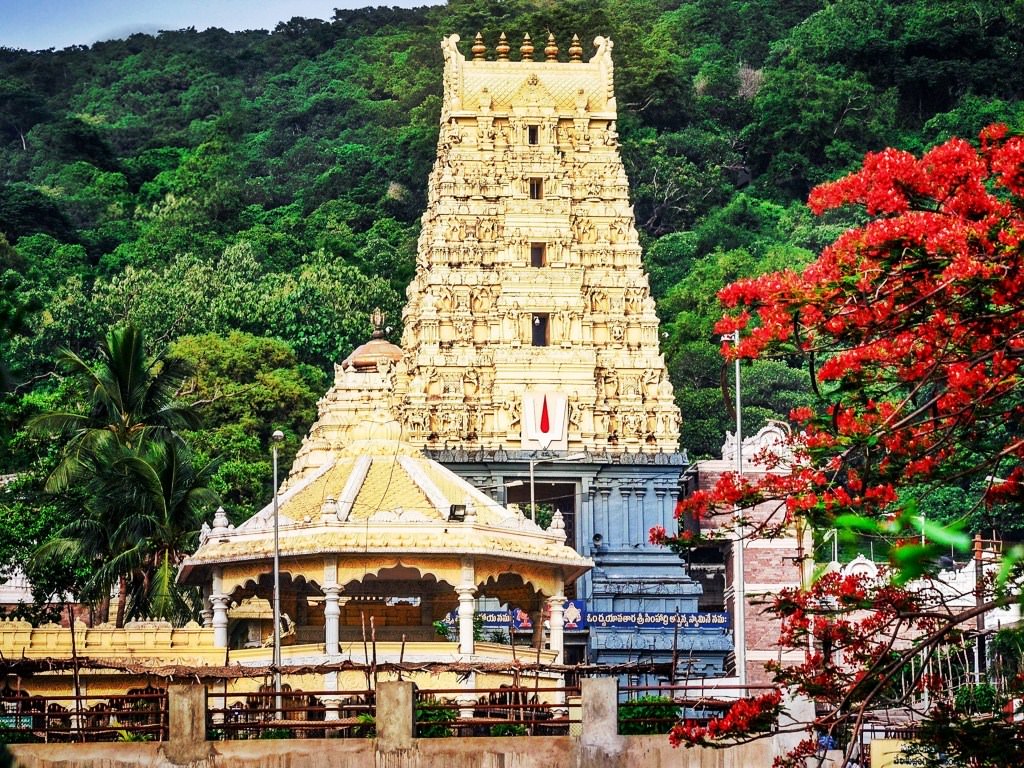
Perched majestically atop the verdant hills near Visakhapatnam, the Simhachalam Temple is a spiritual haven that has captivated the hearts of devotees for centuries. This ancient shrine, dedicated to Lord Narasimha—one of the most revered avatars of Lord Vishnu—holds a unique place in Hindu mythology and spiritual traditions. The temple’s name, derived from the Sanskrit words “Simha” (lion) and “Achala” (hill), aptly reflects the powerful presence of the lion-headed deity who is worshiped here.
Simhachalam is more than just a temple; it is a sacred space where the divine meets the earthly, offering visitors a profound spiritual experience. The temple’s origins are steeped in legend, with ancient texts and scriptures narrating the tale of Prahlada, a devout young prince whose unwavering faith in Lord Vishnu saved him from his tyrannical father, Hiranyakashipu. It was here, in this very location, that Lord Vishnu manifested as Narasimha—half-lion, half-man—to protect his devotee, symbolizing the victory of good over evil and the divine’s commitment to safeguarding righteousness.
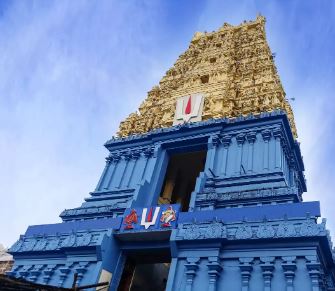
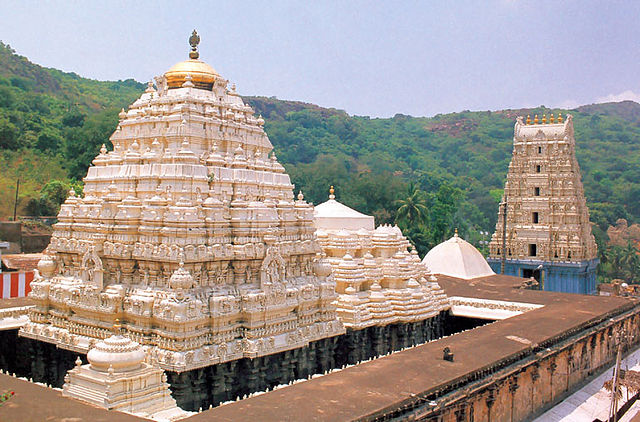
The spiritual significance of Simhachalam is further enhanced by its architectural splendor. The temple, with its grand gopurams (towering gateways), intricately carved pillars, and majestic sanctum, is a testament to the devotion and artistry of the dynasties that ruled the region. Each stone and sculpture tells a story, inviting visitors to embark on a journey through time, where the echoes of ancient chants and prayers still resonate. The temple’s atmosphere is one of serene devotion, with the air filled with the fragrance of incense, the sound of bells, and the soft murmurs of pilgrims who have come to seek the blessings of Lord Narasimha.
The Divine Rituals and Traditions
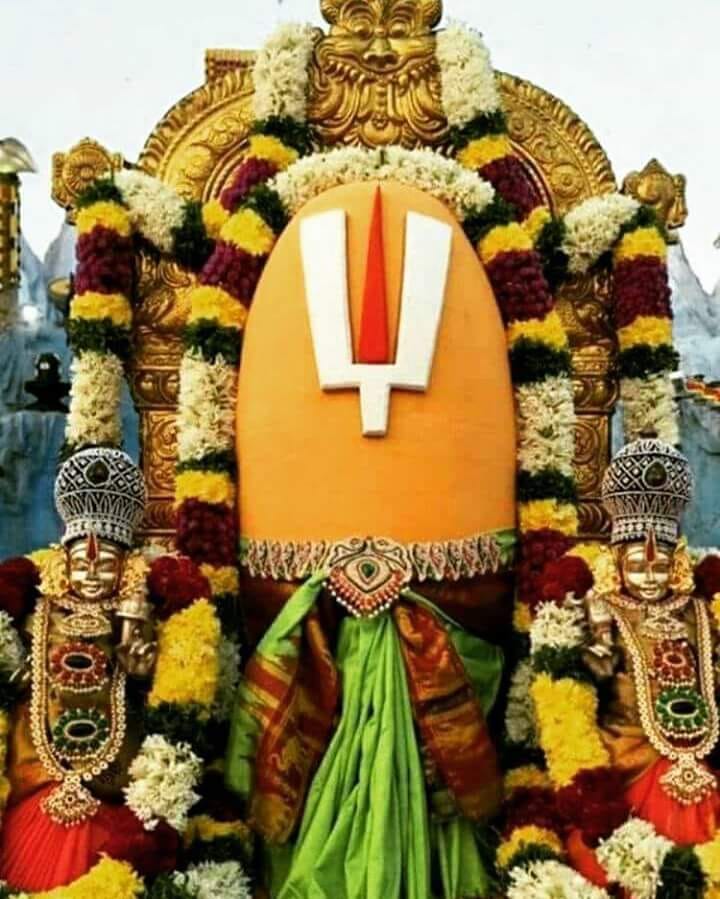
One of the most unique aspects of the Simhachalam Temple is its age-old tradition of covering the deity with a thick layer of sandalwood paste, known as the “Chandanam.” This practice is deeply symbolic, representing the cool and soothing nature of Lord Narasimha, who, despite his fierce appearance, embodies divine protection and grace. The deity remains covered in sandalwood throughout the year, and it is only on the day of the Chandanotsavam festival that the paste is removed, revealing the idol in all its glory.
This annual ritual is a grand celebration that draws thousands of devotees from across the country. The Chandanotsavam is a sight to behold—an outpouring of devotion, where the temple comes alive with vibrant colors, festive music, and the collective energy of countless pilgrims who have come to witness the divine unveiling. The sight of Lord Narasimha, adorned in his true form, is said to be a deeply transformative experience, one that fills the heart with awe and reverence. The festival not only highlights the spiritual importance of the temple but also strengthens the bonds of community and faith among the devotees.
The daily rituals at Simhachalam are equally profound. From the early morning Suprabhata Seva, where the deity is awakened with the recitation of hymns, to the elaborate evening Aarati, where lamps are lit and prayers are offered, every aspect of worship is performed with meticulous care and devotion. These rituals are not just acts of reverence; they are spiritual practices that connect the devotees with the divine, offering them a sense of peace, protection, and fulfillment. The temple’s priests, who have been serving the deity for generations, play a crucial role in maintaining these traditions, ensuring that the sacred rites are preserved and passed down through time.
The Natural Beauty and Spiritual Solace
The Simhachalam Temple is not only a place of worship but also a sanctuary of natural beauty. Surrounded by lush green hills and dense forests, the temple offers a tranquil retreat from the chaos of modern life. The journey to the temple is a spiritual pilgrimage in itself, as visitors ascend the hill through winding paths, flanked by ancient trees and chirping birds. The pristine environment enhances the spiritual atmosphere, allowing visitors to connect deeply with nature and the divine.
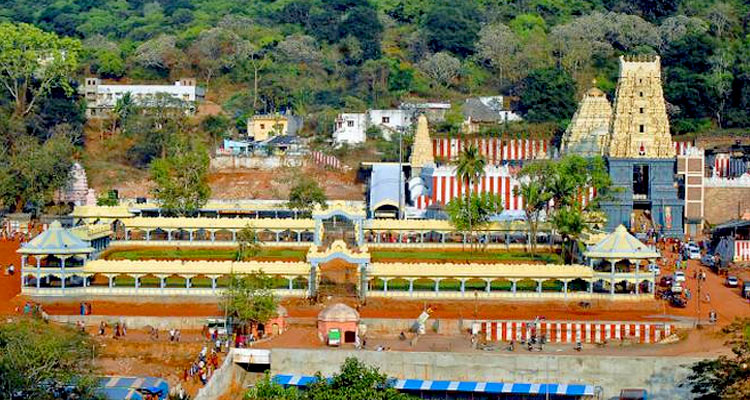
The temple’s location on the Simhachalam Hill provides panoramic views of the surrounding landscape, which is particularly breathtaking at sunrise and sunset. As the first rays of the sun illuminate the temple’s golden spires, or as the evening sky is painted in hues of orange and pink, the entire atmosphere is infused with a sense of divine presence. Many devotees find solace in these moments, as the natural beauty of the surroundings complements the spiritual energy of the temple, creating a harmonious blend of the earthly and the divine.
Visitors to Simhachalam often describe their experience as transformative. The combination of the temple’s spiritual significance, the beauty of its architecture, the sanctity of its rituals, and the serenity of its natural surroundings creates an environment that nurtures both the soul and the senses. Whether one comes to seek the blessings of Lord Narasimha, to participate in the temple’s sacred rituals, or simply to find peace and quiet in the lap of nature, the Simhachalam Temple offers a refuge from the world—a place where the divine presence is palpable and the soul is uplifted.
In today’s fast-paced world, where stress and anxiety often overshadow inner peace, the Simhachalam Temple stands as a reminder of the timeless wisdom and spiritual traditions that have guided humanity for millennia. It is a place where one can reconnect with the deeper aspects of life, find solace in the presence of the divine, and leave with a renewed sense of purpose and tranquility. For those who seek a deeper understanding of spirituality and a connection with the divine, the Simhachalam Temple is not just a destination—it is a spiritual journey that continues long after the visit is over.