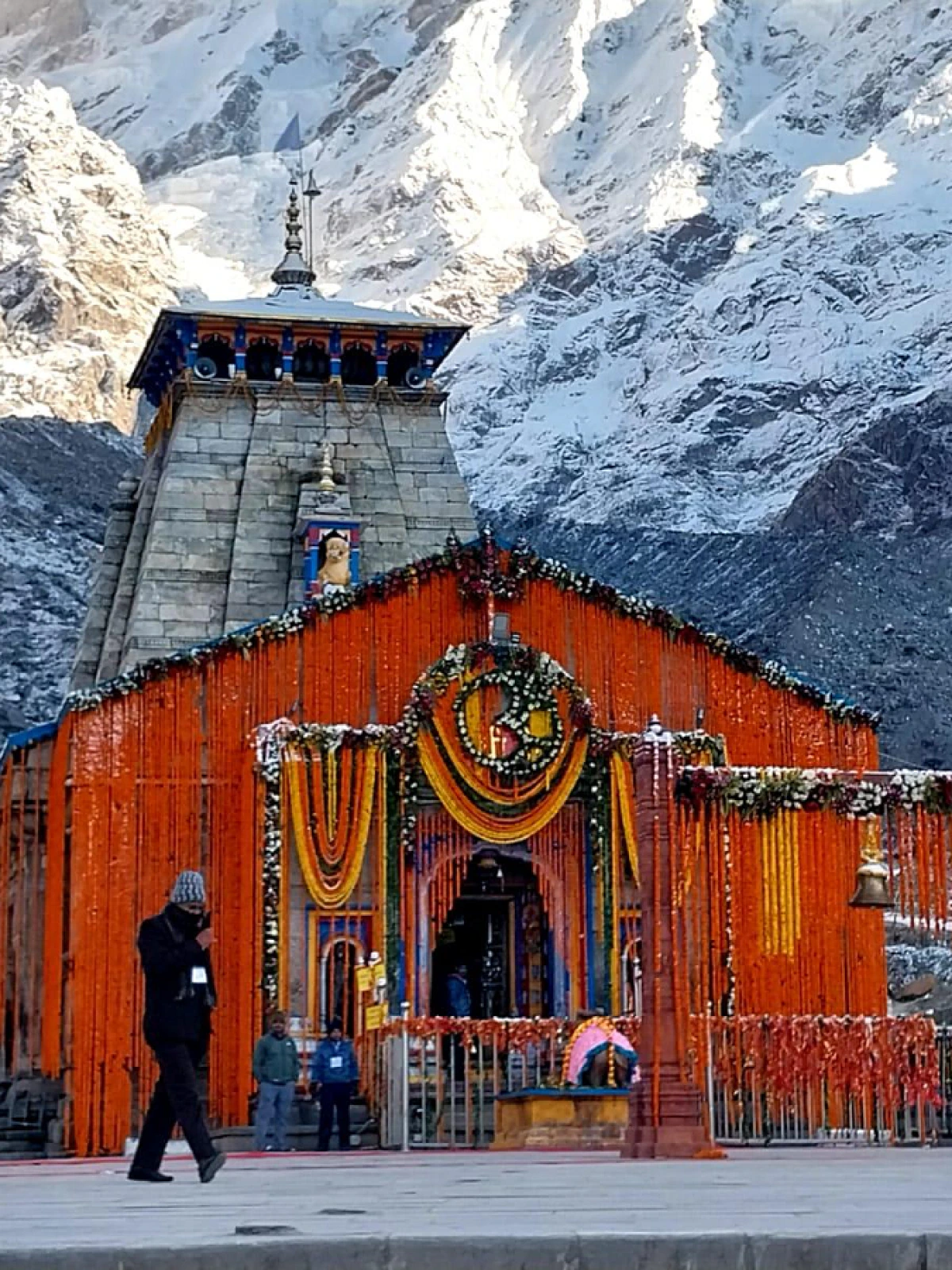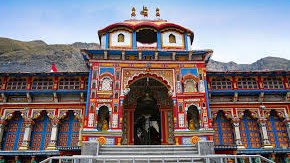
Badrinath Temple, nestled amidst the majestic Garhwal Himalayas in Uttarakhand, India exudes a profound spiritual aura. Dedicated to Lord Vishnu, it stands as a timeless symbol of devotion and faith. Surrounded by snow-capped peaks and the tranquil Alaknanda River, the temple’s serene ambiance invites contemplation and reverence. The ancient stone architecture, adorned with intricate carvings and vibrant colors, resonates with centuries of prayers and rituals. Pilgrims undertake the arduous journey, believing in the temple’s sanctity to cleanse sins and pave the path to moksha (liberation). Daily rituals and the sacred Tapt Kund further enrich the spiritual experience, offering solace and spiritual rejuvenation. As the temple opens each year, it becomes a focal point for devotion during festivals like the Badri-Kedar festival, reinforcing its significance in Hindu cosmology and reinforcing the bond between the divine and the devou
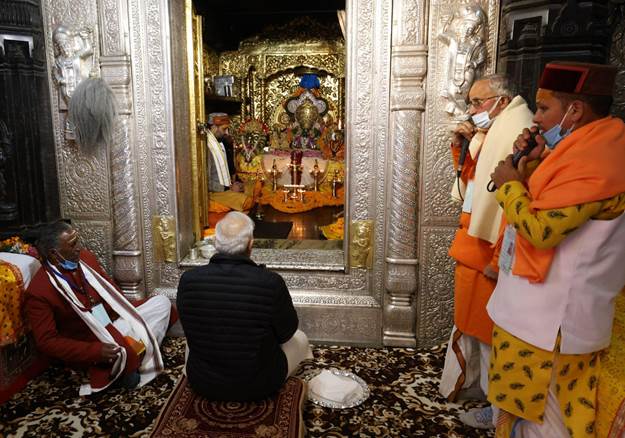
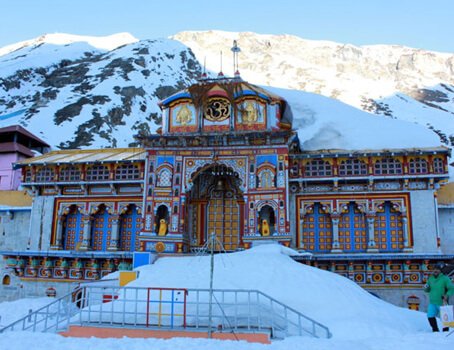
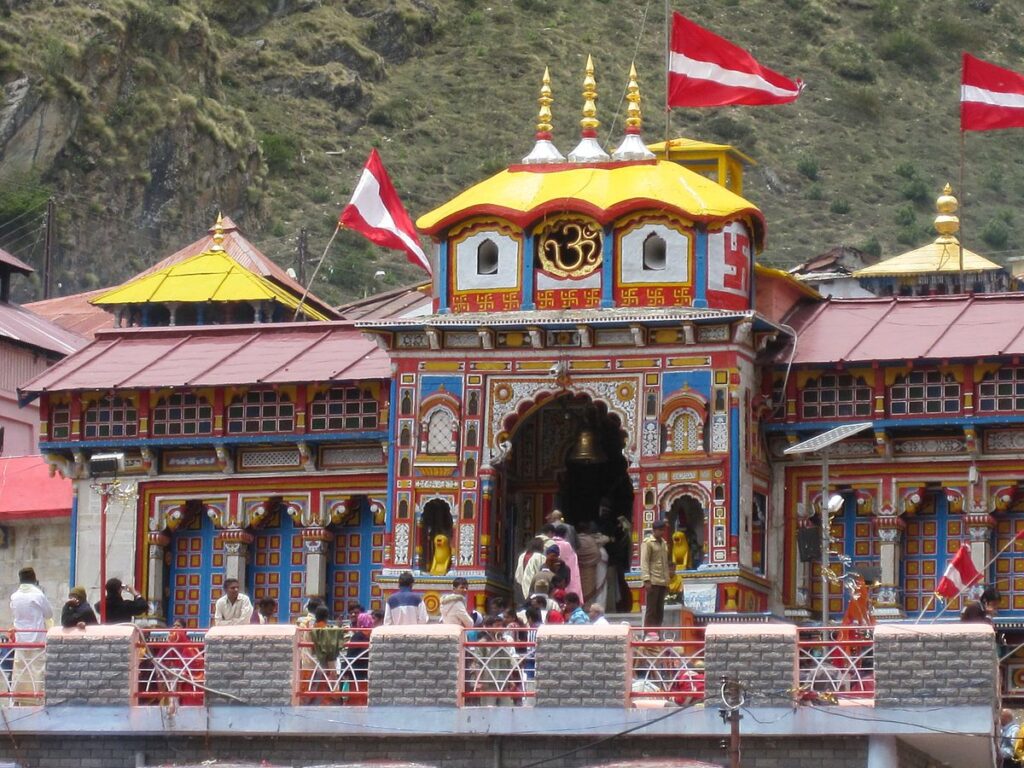
Badrinath Temple, ensconced in the serene valleys of Chamoli district, embodies a timeless sanctity that draws pilgrims from across the globe. Its ancient origins, attributed to Adi Shankaracharya, resonate through the intricate stone architecture adorned with vibrant motifs depicting celestial beings and mythological tales. The temple’s setting amidst lofty peaks and the gentle flow of the Alaknanda River enhances its spiritual allure, creating an atmosphere conducive to introspection and divine communion.
Each year, as devotees undertake the pilgrimage, they seek not only physical journey but also spiritual transformation, believing in the temple’s ability to cleanse karma and fulfill their spiritual aspirations. The rituals performed daily, including the sacred Abhishek ceremony, evoke a sense of divine presence and grace, reinforcing faith and devotion among worshippers. Beyond its religious significance, Badrinath Temple stands as a beacon of cultural heritage and spiritual enlightenment, embodying the eternal connection between humanity and the divine.
“Badrinath Temple is not just a place of worship but a center of cultural convergence, where people from different regions, languages, and backgrounds come together in shared devotion. The temple’s significance extends beyond its religious role to its impact on the local economy and community. The influx of pilgrims each year supports local businesses, from hospitality to handicrafts, contributing to the economic well-being of the region. The temple also plays a key role in preserving and promoting the cultural traditions of the Garhwal region, from traditional music and dance to local cuisines and crafts. In this way, Badrinath Temple serves as a focal point for both spiritual and cultural enrichment.”
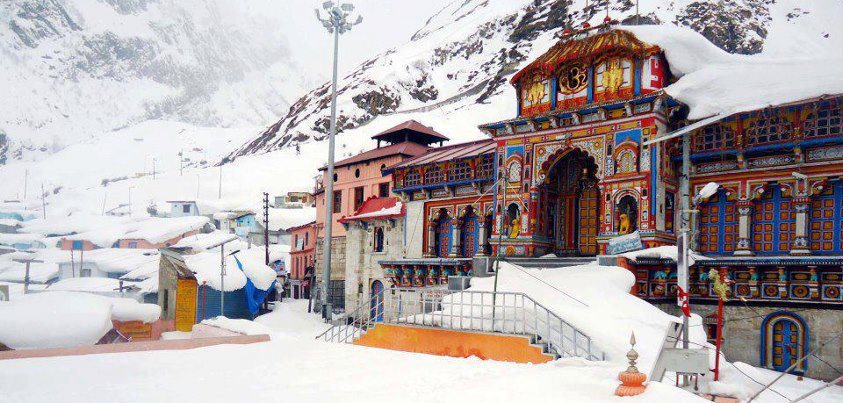

Embarking on the pilgrimage to Badrinath is a transformative experience, one that tests both physical endurance and spiritual resolve. The journey through the rugged terrain of the Himalayas, with its steep climbs and unpredictable weather, is a metaphor for the inner challenges that devotees face in their quest for spiritual enlightenment. Each pilgrim arrives at Badrinath carrying their own hopes, prayers, and burdens, seeking the divine grace of Lord Vishnu to guide them on their path. The sight of the temple, framed by the majestic peaks of the Garhwal Himalayas, is often described as a moment of profound spiritual awakening—a reminder of the eternal connection between the individual soul and the divine.