Nestled amidst the rugged hills and serene landscapes of Karnataka, the Badami Cave Temples stand as a magnificent testament to the region’s rich spiritual and architectural heritage. Carved into the sandstone cliffs of Badami, these ancient rock-cut temples date back to the 6th and 7th centuries and are a marvel of Indian rock-cut architecture. The Badami Cave Temples, with their intricate carvings, grand sculptures, and serene surroundings, offer a unique glimpse into the spiritual and cultural history of the region. These caves are not just architectural wonders but also sacred spaces that have been revered by devotees for centuries.
Badami, formerly known as Vatapi, was the capital of the early Chalukya dynasty, which ruled much of South and Central India during the 6th to 8th centuries. The Chalukyas were great patrons of art, architecture, and religion, and under their reign, Badami flourished as a center of cultural and spiritual activities. The Badami Cave Temples are among the finest examples of the Chalukyan style of architecture, reflecting the dynasty’s devotion to Hinduism and Jainism. These temples are a testament to the artistic genius and spiritual fervor of the Chalukyan kings, who sought to immortalize their faith through these magnificent rock-cut shrines.
The Badami Cave Temples consist of four main caves, each dedicated to a different deity or spiritual figure. These caves are carved into the face of a sandstone hill, with each cave representing a unique aspect of religious life during the Chalukya period. The first three caves are dedicated to Hindu deities, while the fourth cave is a Jain temple, reflecting the religious diversity and tolerance of the Chalukya dynasty. Each cave is adorned with intricate carvings, sculptures, and reliefs that depict various scenes from Hindu and Jain mythology, offering a rich visual narrative of the spiritual beliefs and practices of the time.
The first cave temple is dedicated to Lord Shiva, one of the principal deities of Hinduism. This cave is the oldest of the four and is known for its large and majestic figure of Nataraja, the dancing form of Shiva. The image of Nataraja is depicted with 18 arms, each holding a different attribute, symbolizing the cosmic dance of creation and destruction. The dynamic posture of Nataraja, along with the detailed carvings of celestial beings and musicians around him, creates a powerful visual representation of the divine energy that pervades the universe. The first cave also features images of other deities, including Ganesha and Kartikeya, further highlighting the importance of Shiva in the Hindu pantheon.
The second cave is dedicated to Lord Vishnu, the preserver of the universe in Hinduism. This cave is particularly noted for its impressive sculpture of Vishnu as Trivikrama, where the deity is shown with one leg on the earth and the other raised to the sky, symbolizing his dominion over the universe. The second cave also features depictions of Vishnu in his various avatars, including Varaha, the boar-headed form, and Narasimha, the lion-headed form. These sculptures are not only remarkable for their artistic detail but also for their symbolic significance, representing the different aspects of Vishnu’s role as the protector and preserver of the world. The cave’s walls are adorned with elaborate carvings that depict scenes from Hindu mythology, adding to the cave’s spiritual and artistic allure.
The third cave is the largest and most elaborate of the Badami Cave Temples, also dedicated to Lord Vishnu. This cave is known for its stunning carvings and intricate sculptures that showcase the artistic mastery of the Chalukyan artisans. The central figure in this cave is a magnificent image of Vishnu seated on the serpent Ananta, a symbol of eternity and cosmic order. This depiction of Vishnu exudes a sense of divine tranquility and majesty, with the surrounding carvings further enhancing the spiritual atmosphere of the cave. The third cave also features a series of reliefs depicting the various avatars of Vishnu, including Krishna and Vamana, each carved with great detail and devotion. The walls of the cave are covered with intricate patterns and motifs, showcasing the artistic brilliance of the Chalukyan period.
The fourth cave is dedicated to Jainism, reflecting the religious diversity that flourished under the Chalukya dynasty. This cave features a large sculpture of Lord Mahavira, the 24th Tirthankara of Jainism, seated in a meditative posture. The serene expression on the face of Mahavira, along with the simple yet elegant carvings that adorn the cave, creates a tranquil and contemplative atmosphere. The presence of a Jain temple among the predominantly Hindu caves highlights the inclusive and tolerant nature of the Chalukya rulers, who respected and supported different religious traditions. The fourth cave also features smaller sculptures of other Tirthankaras, each depicted with the characteristic calm and composed expression that is central to Jain iconography.
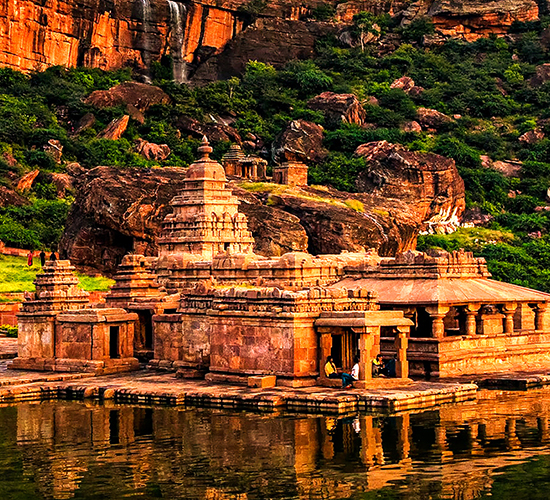
The spiritual significance of the Badami Cave Temples is further enhanced by their natural surroundings. The temples are set against the backdrop of the Agastya Lake, a serene body of water that adds to the tranquility of the site. The reflection of the temples in the calm waters of the lake, along with the rugged hills that surround the area, creates a picturesque and peaceful environment that is ideal for meditation and contemplation. The natural beauty of the landscape, combined with the spiritual energy of the temples, makes Badami a sacred and inspiring place for devotees and visitors alike.
The Badami Cave Temples are not just religious monuments but also a treasure trove of artistic and cultural heritage. The intricate carvings, grand sculptures, and detailed reliefs that adorn the caves provide valuable insights into the religious practices, artistic traditions, and cultural life of the Chalukya period. The temples are a testament to the skill and creativity of the Chalukyan artisans, who were able to transform the rugged sandstone cliffs into a divine sanctuary of art and spirituality. The temples also reflect the syncretic nature of Indian spirituality, where different religious traditions coexist and enrich each other, creating a harmonious and inclusive spiritual landscape.
The historical and cultural importance of the Badami Cave Temples has made them a popular destination for pilgrims, historians, and tourists. The temples are considered one of the finest examples of early rock-cut architecture in India, and their preservation and conservation are of great importance to the country’s cultural heritage. The Badami Cave Temples have also been recognized as a UNESCO World Heritage Site, highlighting their global significance as a cultural and spiritual treasure. The ongoing efforts to preserve and protect these temples ensure that future generations can continue to experience and appreciate the spiritual and artistic legacy of the Chalukya dynasty.
Visiting the Badami Cave Temples is not just a journey into the past, but also a spiritual pilgrimage that offers a deep connection with the divine. The temples provide a space for reflection, meditation, and worship, where visitors can experience the sacred energy that has been imbued in the caves for over a thousand years. The combination of the natural beauty of the surroundings, the architectural grandeur of the temples, and the spiritual significance of the deities worshipped here creates a unique and transformative experience for all who visit. Whether one is a devotee seeking spiritual solace, an art lover admiring the exquisite craftsmanship, or a history enthusiast exploring the ancient past, the Badami Cave Temples offer something profound and meaningful for everyone.
In conclusion, the Badami Cave Temples stand as a timeless monument to the spiritual and artistic achievements of the Chalukya dynasty. These temples, carved into the sandstone cliffs of Karnataka, are a testament to the enduring power of faith and the artistic genius of ancient India. The intricate carvings, majestic sculptures, and serene surroundings of the temples create a sacred space where the divine presence is felt in every stone and every prayer. The Badami Cave Temples are not just historical artifacts but living temples that continue to inspire and uplift the souls of those who visit them. They are a symbol of the rich spiritual heritage of India, a heritage that has been preserved and cherished for centuries, and will continue to be a source of inspiration and devotion for generations to come.