Thiruvellarai Temple, located in the serene and historic region of Tamil Nadu, is one of the most sacred and architecturally significant temples in South India. Dedicated to Lord Vishnu, who is worshipped here as Pundarikaksha Perumal, this temple is a divine haven for devotees and a testament to the region’s rich spiritual and cultural heritage. The temple’s name, Thiruvellarai, translates to “White Rock” in Tamil, a reference to the white stone hillock on which the temple is majestically perched. This ancient temple, which dates back over a millennium, is not only a place of worship but also a symbol of the deep spiritual traditions that have shaped the lives of countless devotees over the centuries.
The Thiruvellarai Temple is one of the 108 Divya Desams, the holy abodes of Lord Vishnu that are highly revered in Vaishnavism. These Divya Desams are celebrated in the hymns of the Tamil Alvars, saint-poets who expressed their devotion to Lord Vishnu through their poetic compositions known as the Divya Prabandham. Thiruvellarai is particularly significant as it is one of the oldest temples in the region, with its origins believed to date back to the Pallava dynasty, which ruled South India during the 7th and 8th centuries. The temple’s long history, coupled with its spiritual significance, makes it a place of pilgrimage that holds a special place in the hearts of devotees.
The main deity of the temple, Pundarikaksha Perumal, is depicted in a standing posture, facing east, and exuding a sense of divine grace and compassion. The name “Pundarikaksha” translates to “Lotus-Eyed Lord,” a reference to the deity’s serene and compassionate gaze, which is believed to bring peace and spiritual fulfillment to those who worship him. The deity is adorned with exquisite jewelry and garments, and the sanctum sanctorum is illuminated by the soft glow of oil lamps, creating an atmosphere of profound devotion and serenity. Devotees believe that praying to Lord Pundarikaksha Perumal helps in overcoming the obstacles of life and attaining spiritual enlightenment.
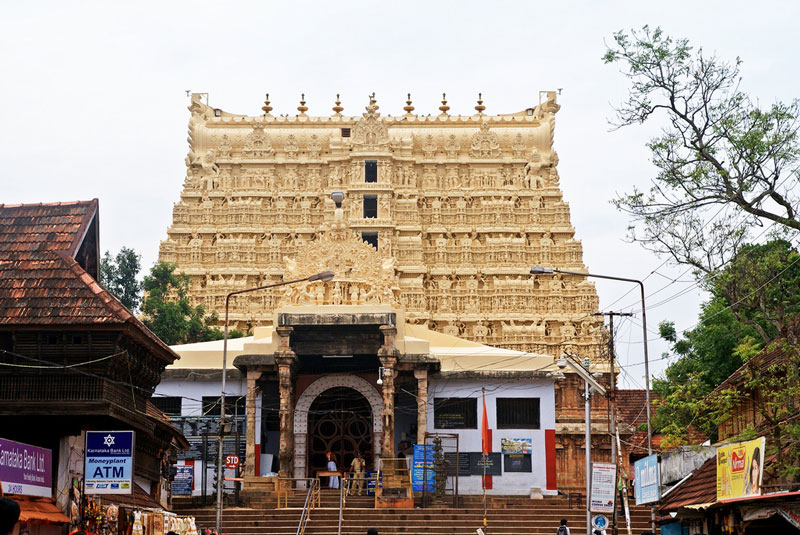
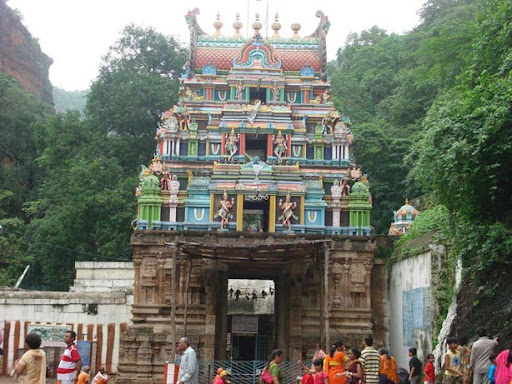
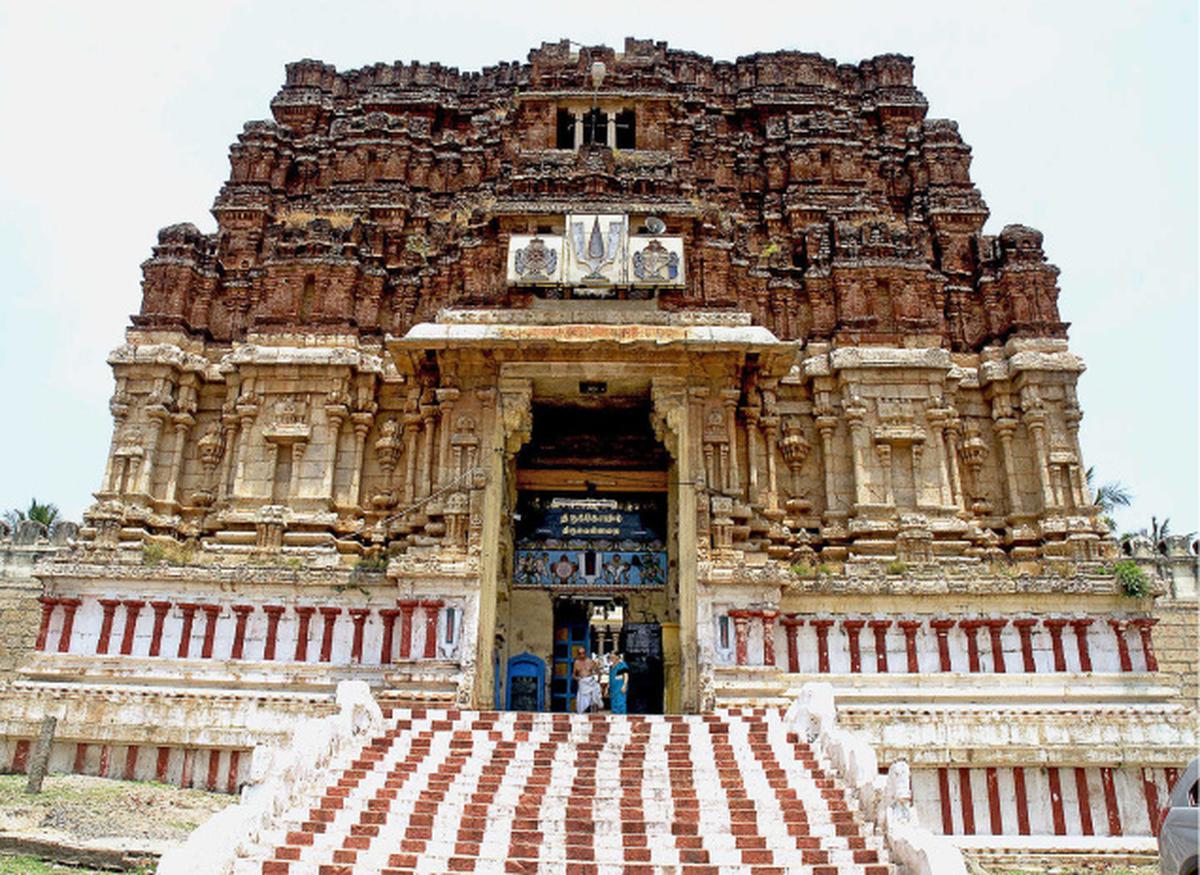
One of the most distinctive features of the Thiruvellarai Temple is its unique architectural style. The temple is an excellent example of early Dravidian architecture, characterized by its massive stone walls, intricate carvings, and towering gopurams (gateway towers). The temple’s entrance is marked by a large, ornate gateway known as the “Rajagopuram,” which stands as a symbol of the divine majesty of Lord Vishnu. As devotees pass through this gateway, they are greeted by the sight of the temple’s expansive courtyard, which is surrounded by pillared halls and smaller shrines dedicated to various deities.
The temple’s architecture is not just a visual marvel but also holds deep symbolic meaning. The main sanctum is situated at a higher elevation, symbolizing the ascent of the soul towards the divine. The temple’s layout is designed to represent the journey of the soul from the material world to the spiritual realm, with each step bringing the devotee closer to the divine presence of Lord Vishnu. The temple’s interior is adorned with exquisite sculptures and carvings that depict scenes from Hindu mythology, including the avatars of Lord Vishnu and the stories of the Alvars. These artistic representations serve as a reminder of the divine pastimes of the Lord and inspire devotees to lead a life of righteousness and devotion.
One of the temple’s most intriguing aspects is its connection to the ancient Vedic rituals. Thiruvellarai is known for its unique and elaborate rituals, which have been carefully preserved and passed down through generations. These rituals, performed by the temple priests, are a blend of Vedic traditions and local customs, and they play a central role in the temple’s spiritual life. The daily poojas (worship ceremonies) include the recitation of Vedic hymns, the offering of food (prasadam) to the deity, and the ceremonial bathing of the idol (abhishekam). These rituals are not only an expression of devotion but also a means of invoking the divine presence and seeking the Lord’s blessings for prosperity, health, and spiritual well-being.
Thiruvellarai Temple is also renowned for its annual festivals, which draw thousands of devotees from across the region. The most significant of these is the Brahmotsavam, a grand festival that celebrates the divine glory of Lord Pundarikaksha Perumal. The festival, which lasts for several days, is marked by elaborate processions, traditional music, and cultural performances. The highlight of the festival is the grand procession of the deity, who is carried on a richly decorated chariot through the streets surrounding the temple. This procession, accompanied by the chanting of hymns and the playing of traditional instruments, creates an atmosphere of joy and devotion that resonates with the spiritual energy of the temple.
The temple’s connection to the Tamil Alvars adds another layer of spiritual depth to its significance. The Alvars, who were deeply devoted to Lord Vishnu, composed hymns that praise the Lord’s divine attributes and describe the beauty and sanctity of the Divya Desams. Thiruvellarai is mentioned in several of these hymns, which are still sung in the temple as part of the daily worship rituals. These hymns, known as the “Pasurams,” are not just poetic expressions of devotion but also serve as a guide for spiritual seekers, offering insights into the nature of the divine and the path to spiritual liberation.
Another unique aspect of the Thiruvellarai Temple is its connection to the concept of dual worship. The temple is one of the few in India where Lord Vishnu and his consort, Goddess Lakshmi, are worshipped together in their respective shrines. The shrine of Goddess Lakshmi, known here as Shenbagavalli Thayar, is located within the temple complex, and devotees believe that worshipping both the Lord and his consort brings blessings of both material and spiritual prosperity. The temple’s dual worship tradition underscores the importance of balance between the material and spiritual aspects of life, a theme that is central to the teachings of Vaishnavism.
The serene environment of Thiruvellarai further enhances the spiritual experience of the devotees. The temple is surrounded by lush greenery, and the sound of birdsong and the gentle rustling of leaves create a tranquil ambiance that is conducive to meditation and reflection. The temple’s location on a hillock adds to its mystique, offering panoramic views of the surrounding landscape and providing a sense of isolation from the hustle and bustle of everyday life. For many devotees, a visit to Thiruvellarai is not just an act of worship but a retreat from the stresses of the material world, a chance to reconnect with the divine and find inner peace.
In addition to its spiritual significance, the Thiruvellarai Temple is also a center of cultural and educational activities. The temple plays an active role in promoting the study of the Vedas, the ancient scriptures that form the foundation of Hindu philosophy. The temple conducts classes and workshops on Vedic chanting, temple rituals, and the teachings of the Alvars, ensuring that these ancient traditions are preserved and passed down to future generations. The temple also organizes cultural programs, including classical music and dance performances, that celebrate the rich artistic heritage of Tamil Nadu and offer devotees a deeper understanding of the spiritual and cultural dimensions of the temple.
The Thiruvellarai Temple is not just a historical monument; it is a living tradition that continues to inspire and uplift the lives of those who visit it. The temple’s enduring appeal lies in its ability to connect devotees with the divine, offering a spiritual experience that is both profound and transformative. Whether it is the serene gaze of Lord Pundarikaksha Perumal, the intricate beauty of the temple’s architecture, or the timeless rituals that have been performed here for centuries, every aspect of the Thiruvellarai Temple serves as a reminder of the eternal presence of the divine and the infinite possibilities of spiritual growth.
In conclusion, the Thiruvellarai Temple is a sacred sanctuary that embodies the rich spiritual and cultural heritage of Tamil Nadu. Its significance as one of the 108 Divya Desams, its unique architectural style, and its deep connection to the Vedic traditions make it a place of pilgrimage that holds a special place in the hearts of millions of devotees. The temple’s serene environment, its elaborate rituals, and its vibrant festivals create a spiritual atmosphere that invites devotees to immerse themselves in the divine presence and seek the blessings of Lord Pundarikaksha Perumal. For those who visit Thiruvellarai, the experience is more than just a religious pilgrimage; it is a journey into the heart of spirituality, a journey that offers peace, devotion, and a deeper connection with the divine.
The Thiruvellarai Temple stands as a testament to the enduring power of faith and the timeless appeal of India’s spiritual traditions. It is a place where the past and the present come together, where the divine presence is felt in every stone and every prayer, and where the soul finds solace in the embrace of the divine. For those seeking spiritual enlightenment and a deeper connection with the divine, Thiruvellarai offers a sanctuary of peace, devotion, and divine grace, leaving a lasting impression on the heart and soul.