The Divine Journey to Vaishno Devi Temple
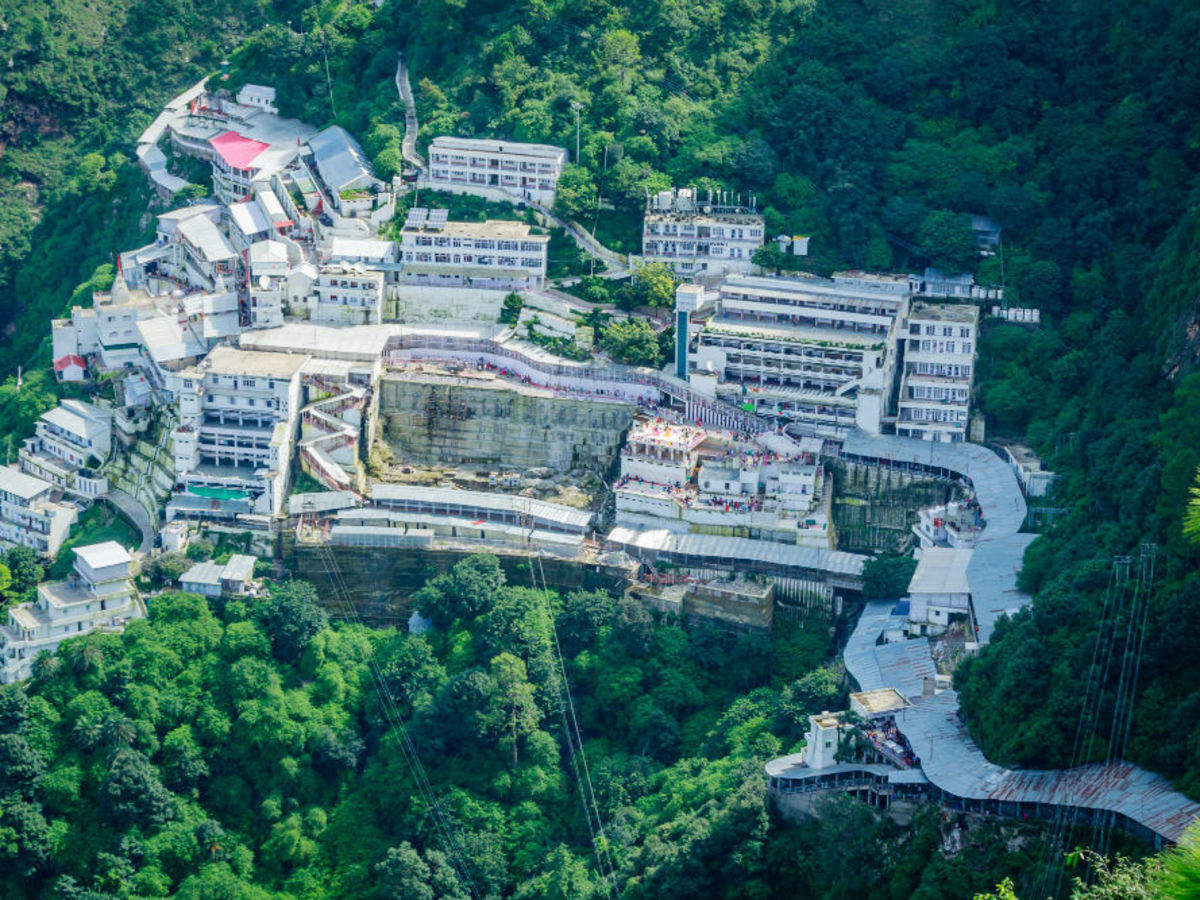
Nestled in the serene Trikuta Mountains of Jammu and Kashmir, the Vaishno Devi Temple is one of the most revered and spiritually significant pilgrimage sites in India. Devotees from all over the country, and even from across the world, flock to this sacred shrine, drawn by the divine presence of Mata Vaishno Devi, who is believed to fulfill the wishes of her devotees. The temple, dedicated to the goddess Vaishno Devi, a manifestation of the Mother Goddess, is not only a spiritual destination but also a symbol of unwavering faith and devotion.
The journey to Vaishno Devi is as spiritually enriching as the temple itself. Pilgrims embark on a trek of approximately 12 kilometers from the base camp at Katra to reach the holy cave where the goddess resides. The trek, though challenging, is undertaken with great enthusiasm and devotion. Along the way, the chants of “Jai Mata Di” (Victory to the Mother) echo through the mountains, creating an atmosphere charged with spiritual energy. The path is lined with refreshment stalls, resting spots, and even facilities for those who require assistance, ensuring that every devotee can complete the journey.
The history of Vaishno Devi Temple is steeped in legend and divine intervention. It is believed that Mata Vaishno Devi, an incarnation of Goddess Durga, appeared in the Trikuta Mountains to rid the world of evil and protect the virtuous. According to the legend, Vaishno Devi was an ardent devotee of Lord Rama, and she took a vow of celibacy. However, Bhairon Nath, a demon, pursued her with impure intentions. In her flight from him, the goddess took refuge in the holy cave. When Bhairon Nath finally caught up with her, she was forced to slay him. Before his death, Bhairon Nath realized his mistake and begged for forgiveness. The compassionate goddess not only forgave him but also granted him a place at the temple’s entrance, where a separate shrine for Bhairon Nath exists today. Pilgrims visit this shrine after offering prayers to Mata Vaishno Devi, completing their pilgrimage.
The temple itself is located inside a cave, where the goddess is represented by three natural rock formations, known as the Pindis. Each Pindi represents one of the goddess’s forms: Mahakali, Mahalakshmi, and Mahasaraswati. These forms symbolize the creative, preservative, and destructive aspects of the divine feminine power. The cave, though small, exudes a powerful spiritual energy, and devotees believe that just a glimpse of the Pindis can cleanse one’s soul and grant their deepest wishes.
The Vaishno Devi pilgrimage is a year-round event, but the temple sees the highest number of visitors during the Navratri festival, which is dedicated to the worship of the goddess. During this time, the entire route to the temple is adorned with lights and decorations, and the air is filled with the sound of devotional music and prayers. Special pujas and rituals are conducted at the temple, and devotees often observe fasts and perform acts of charity to honor the goddess. The Navratri festival is not just a religious observance but a vibrant celebration of faith, bringing together people from all walks of life in a shared expression of devotion.
Apart from Navratri, other significant occasions include the New Year, when many devotees begin their year with a visit to the temple, seeking blessings for the coming months. The temple also holds special significance during Diwali, the festival of lights, which celebrates the victory of good over evil. Devotees believe that visiting the temple during these auspicious times amplifies the blessings and grace received from the goddess.
The experience of visiting Vaishno Devi is not just about the destination but also about the journey. The trek through the picturesque Trikuta Mountains offers breathtaking views of the surrounding valleys and peaks, and the natural beauty of the region adds to the spiritual experience. Many pilgrims describe the journey as a test of faith and endurance, and the sense of achievement upon reaching the temple is deeply fulfilling. The journey is symbolic of life’s challenges and the belief that with faith and determination, one can overcome any obstacle.
The local community in Katra and the surrounding areas plays a crucial role in supporting the pilgrims. The town of Katra, which serves as the base camp for the pilgrimage, is bustling with activity, offering a range of accommodations, eateries, and shops selling religious items. The people of the region are known for their warmth and hospitality, and they take great pride in their role as hosts to the millions of devotees who visit each year. The infrastructure around the pilgrimage has also been developed to ensure that visitors have a comfortable and safe journey, with facilities like helicopter services, pony rides, and battery-operated vehicles for those who may find the trek challenging.
The spiritual significance of Vaishno Devi Temple extends beyond the physical journey. For many devotees, it is a place where they feel a deep connection with the divine, a place where their prayers are heard and answered. The temple is a beacon of hope, faith, and spiritual strength, offering solace and guidance to those who seek it. The goddess, revered as a loving and protective mother, is believed to watch over her devotees, granting them courage, strength, and the ability to face life’s challenges.
In conclusion, the Vaishno Devi Temple is more than just a pilgrimage site; it is a spiritual journey that touches the soul. The combination of natural beauty, religious significance, and the powerful presence of Mata Vaishno Devi makes it one of the most cherished and spiritually enriching destinations in India. Whether one visits the temple to seek blessings, fulfill a vow, or simply experience the divine energy that permeates the region, the Vaishno Devi pilgrimage is a journey of faith, devotion, and inner transformation.